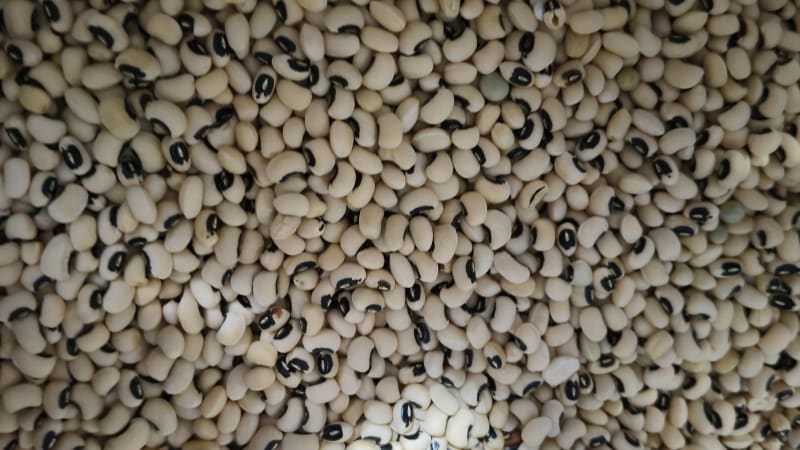
The short answer: beans are one of the best-value foods you can eat. They provide protein, fibre, folate and iron, they raise blood sugar slowly, and people who eat them often tend to have less heart disease. They are not a cure for anything, but as an everyday staple they are hard to beat.
Whether you eat them as ewa agoyin, beans porridge, moi moi or akara, here is what the research says.
What nutrients are in beans?
Beans belong to the legume family. Harvard's Nutrition Source describes legumes as "an inexpensive source of protein, vitamins, complex carbohydrates, and fiber", and lists them as a source of folate, fibre, iron, phosphorus and protein. In their whole form they are also low in saturated fat and sodium.
That combination matters in Nigeria, where meat and fish take a large share of the food budget. Beans let a household add protein to a meal at a fraction of the cost.
Are beans good for the heart?
The evidence points that way. In one long-running study cited by Harvard, people who ate legumes four or more times a week had a 22% lower risk of heart disease than those who ate them less than once a week. This is an observational finding, so it shows a link and not proof that beans alone were responsible. Still, it fits with what we know: beans are high in fibre and low in saturated fat.
Do beans raise blood sugar?
Less than most staples. Legumes have a low glycaemic index, are high in fibre and contain slow-digesting resistant starch, so the sugar from a bean meal enters the blood gradually.
Whether eating beans actually prevents type 2 diabetes is less clear. Harvard notes that research results have been mixed and that there is no definitive answer yet. If you already live with diabetes, beans are generally a sensible choice of carbohydrate, but your portions and your overall plan should be agreed with your doctor.
Can beans help with weight?
Possibly. Fibre and protein are filling, and in studies cited by Harvard, regular bean eaters were less likely to gain waist size or become obese. Beans will not cause weight loss on their own, but they can make a meal more satisfying for fewer calories than fried or refined options.
Beans and iron
The World Health Organization lists legumes such as beans among the iron-rich foods that help prevent anaemia, which affects an estimated 30% of women aged 15 to 49 worldwide. The iron in plant foods is absorbed better when you eat it with vitamin C, so add tomatoes, peppers or fruit to the meal. WHO also notes that tea, coffee and cocoa slow iron absorption, so have them between meals instead of with your beans.
How do I stop beans from causing gas?
Beans cause gas and bloating in some people. Harvard's advice is simple: soak dried beans for at least three hours before cooking, and cook them thoroughly. Many people also find that starting with small portions and eating beans regularly makes the problem settle over time.
The healthiest ways to eat beans
How you cook beans matters as much as the beans themselves.
- Boiled beans and beans porridge keep the benefits. Go easy on the palm oil and salt.
- Moi moi is steamed, which makes it a good option.
- Akara is deep-fried, so it absorbs oil. Enjoy it, but not as your main way of eating beans.
- Watch the salt. WHO recommends adults keep salt under 5 grams a day, about a teaspoon, including what comes from seasoning cubes.
Frequently asked questions
How often should I eat beans? There is no single rule. The studies showing heart benefits involved eating legumes around four times a week or more, and WHO recommends that carbohydrates come mainly from whole grains, vegetables, fruits and pulses.
Are beans a complete replacement for meat? Beans provide protein and iron, but a varied diet is still best. Combining beans with grains such as rice or maize across the day improves the overall protein quality.
Can children eat beans? Yes, well-cooked beans are suitable for children who are already eating family foods. Mash them for younger children.
Have questions about your diet, your blood sugar or your blood pressure? Book an online consultation with a Nigerian doctor and get advice that fits your own health.